South Africa's Fashion Evolution
How technology, going seasonless and you the consumer have resulted in our industry coming of age
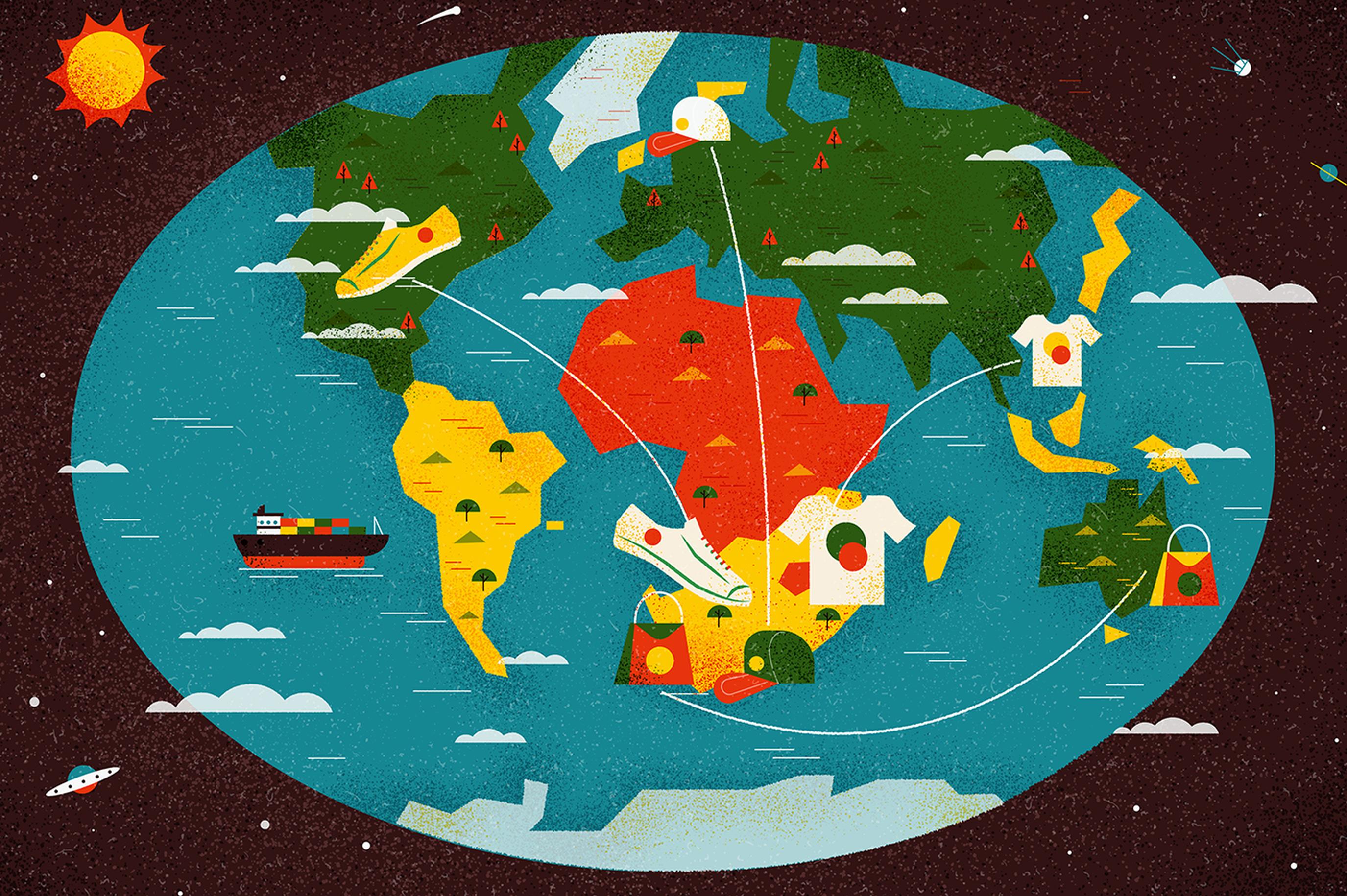
Words: Phendu Kuta | Illustration: Lapin Blanc
The fashion industry is evolving not just globally but locally, too. This evolution has been brought to fore in articles by Vogue, The Guardian and recently BOF (Business of Fashion) conducted a comprehensive research report called 'The State of Fashion 2018'. Most of these changes are affected by how technology is impacting consumer behaviour, as well as how it is impacting how various industries (as well as fashion) are doing business.
Below we've unpacked the changes that are simultaneously occurring globally and locally, as well as how these shifts are affecting the local fashion landscape.
The Seasonless Collection
Terms like pan-seasonal and trans-seasonal have been buzzwords for a few years in the fashion capitals, referring to how some designers have forgone the concept of designing for seasons and are instead mixing garments fit for different seasons and weather into singular collections. Internationally, labels like Burberry, which presents its February and September collections for customers to buy straight off the catwalk, have shunned the concept of seasons, designing pieces to meet the public’s needs no matter what climate we live in.
Young local menswear designer Neo Serati says, "I go with a pan-seasonal show because of how I sell which is made to order via Instagram. It’s just easier to have a collection across all seasons because people from everywhere in different seasons want to purchase."
The Impact of Digitalization
Technology is accelerating change and digital channels are lowering the barriers to entry, which means that there is an increase in competition. Designers and brands now have added pressure to innovate and maintain visibility and engagement within their markets and potential markets.
Senior Trend Researcher and Analyst Nicola Cooper gives insight into how digital platforms have impacted the local fashion industry, she says, "Digital platforms have altered many industries including the fashion industry by exposing us to a world with no geographical boundaries in international fashion and design in real time, meaning we have the same information as the rest of the world and the aged approach to the SA fashion industry lagging or applying a 'copy and paste' approach has had to review and reimagine itself for a more successful and sustainable future.
Consumer Engagement & Power
Digitalization has put the power in the hands of the consumer, where community influence and peer to peer review are the new driving forces of what consumers buy. Technology has given customers access to so much information, more than ever before, and has raised expectations in terms of service, product and cost since they can now go on an app and compare pricing instantly.
A report by Ernst & Young on The Digitization of Everything states, "in the long run, there are a few things that will be really important. One is that companies will move away from focusing purely on transactions to focusing on engaging users, because engagement leads to data and once you have data, you can move users towards new transactions.”
Local content producer and influencer Palesa Kgasane reinforces this notion stating that, "Consumers will only really buy into something that they themselves believe will be of use to them if the person who is presenting it to them is convincing enough. That’s how purchasing decisions are affected." She adds how "most people within my age group who don’t necessarily work within the fashion space may be heavily influenced by trends, especially those pushed by influencers, but I would like to think that most people also know what works for them."
A Glocal Approach
There is a crop of young South African designers who emerged from 2013 onwards, the likes of Rich Mnisi, Thebe Magugu, Lukhanyo Mdingi, Nao Serati and Nicholas Coutts who have seamlessly aligned themselves to the standards and quality of the international fashion scene and are dominating the local fashion scene. These millennial designers' aesthetics apply and transcend local culture and are positioned as glocal.
Furthermore, showcasing globally in fashion weeks or similar platforms for local designers, young and established is recurring so often that the global fashion world is starting to take note of South African fashion.
Nicola Cooper reinforces this, saying that "the most noteworthy way the local fashion industry is evolving is by understanding their strength and value to the global fashion world and believing in their own power and value."
SHOP THE STORY