FASHION’S ENDURING ROLE IN QUEER SELF-ACTUALISATION
A historical look at how fashion and style have been quintessential to establishing queer identity.
Writer: Ponahalo Mojapelo | Images: Getty
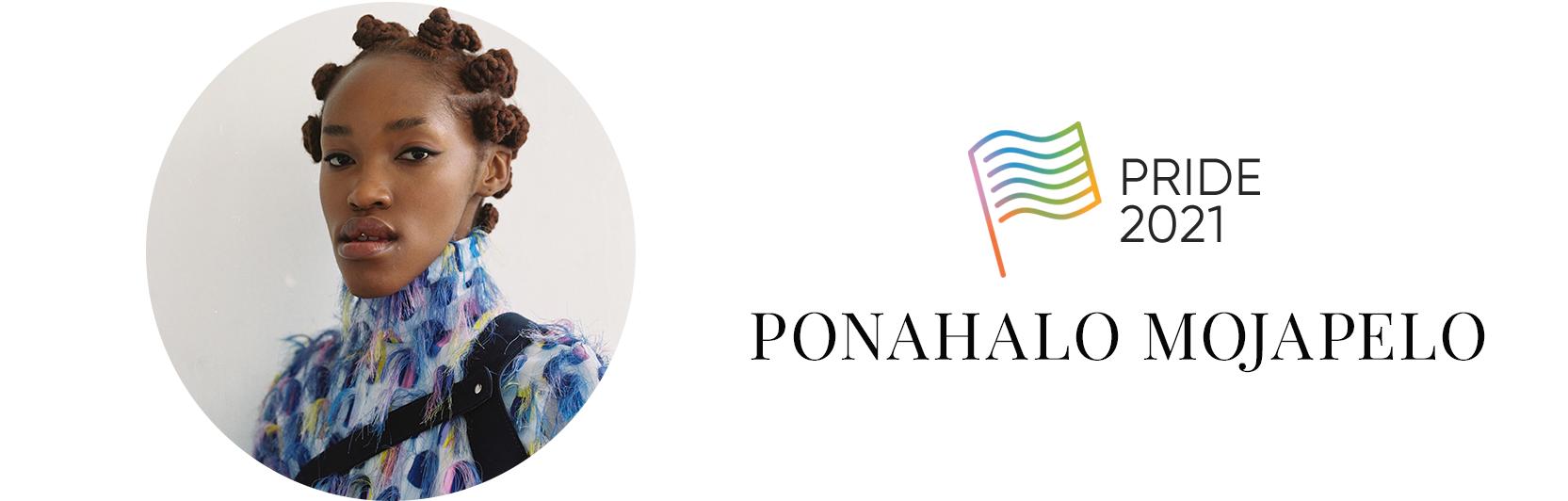
A historical look at how fashion and style have been quintessential to establishing queer identity.
It's no secret that one's dress and outward presentation provides a narrative of the kind of person they are - rich or poor, young or old, casual or formal - as well as a contextual perspective of where they are at that present moment i.e. school uniforms, beachwear or wedding attire.
It is the initial and unspoken introduction of the self to other members of society and, more often than not, it dictates how others decide they're going to address you. For many queer people, their expression informed the identities that they would grow up to choose. Having been children who grew up under a predetermined guise of how a boy and a girl should dress, it's often triggering for people who don't fit into the gender binary to shop for clothing or even decide how they're going to look on any given day. Fashion and style have been quintessential to establishing queer identity since the 1800s.
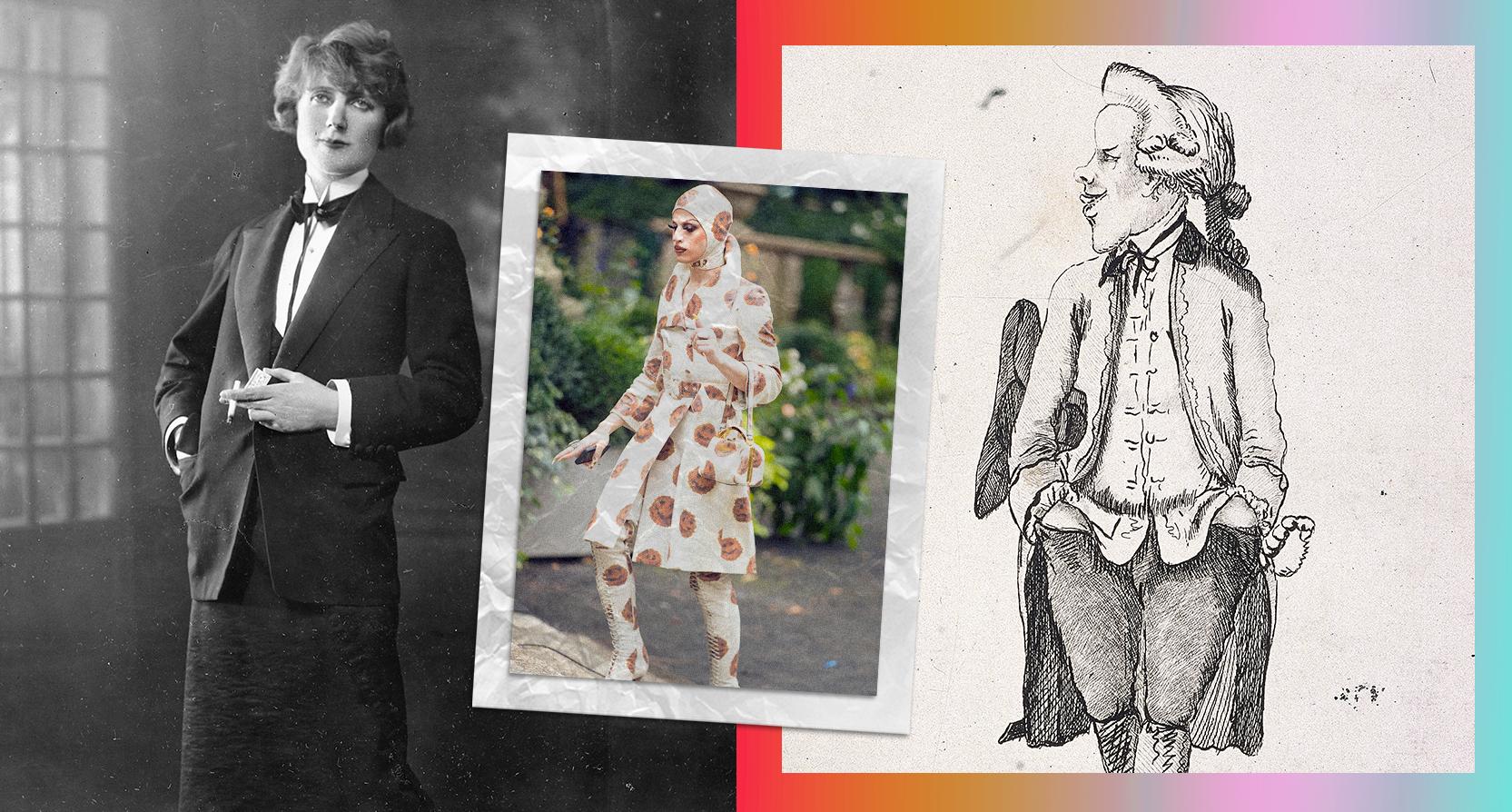
Man-Milliners and Macaronis are some of the earliest, western examples of men who'd take part in gender fluid dress.
Albeit being stereotyped as homosexual and outcasts, they were also widely lauded for their beautifully embellished garments, big hair, painted faces, and effeminate gestures. This was a time preceding "the male renunciation" which gave a rise to rigid and heteronormative impositions on how men and women should dress.
In the 1920s, women adopted "The Garconne Look" which almost directly translates to "The Man Look", for some, as an expression of their gender fluidity and their belonging to the lesbian community, for others, because simply it's how they felt most comfortable.
It goes without saying that some of the oldest and most prolific fashion houses in the world were created and spearheaded by members of the LGBTQIA+ community.
Having begun in New York City, the ball and drag subcultures initially intended to be an underground hub for fluid gender expression, exaggerated styles of dress, and displays of a higher social class. Dressing up up as in the costumes of aspirational occupations was also an option for participants. This is due to the immense stigmatisation, racism, and lack of sexual awareness of the LGBTQIA+ community, particularly around the 1960s onwards.
It was incredibly difficult to find any work at all - much less that of a higher social class - even if you were an educated black or brown queer individual. It was also horrifically unsafe to be an openly non-binary or non-heteronormative individual (and it still is) as they were constant targets of physical and sexual assault, often leading to death… often with no justice. The underground element meant that it was, for the most part, a safe haven and a place of refuge from the everyday world for the LGBTIQIA+ community.
Furthermore, this is a subculture that brought black and brown, poor, and queer creativity to the fore. Through fabrics, makeup and accessories scraped together by house mothers, local store workers, and the ball community as a whole, participants were able to create the most avant garde, transformative and breathtaking fashions on a dime. High heels, big hair, glitter, ball gowns, bold makeup, diamonds, props, body alteration through corsetry and padding were all norms in the ballroom, regardless of gender or sexual orientation. In a very big way, ball and drag culture hyper-extended the possibilities, not only of queer fashion expression but of the reimagination of fashion pop culture as a whole and for generations to come. While underground ballrooms and drag competitions still exist, we’ve seen the mainstream increasingly embrace this culture as one that’s so viscerally creative and a shining light on generations of brilliance that were once completely shunned from society.
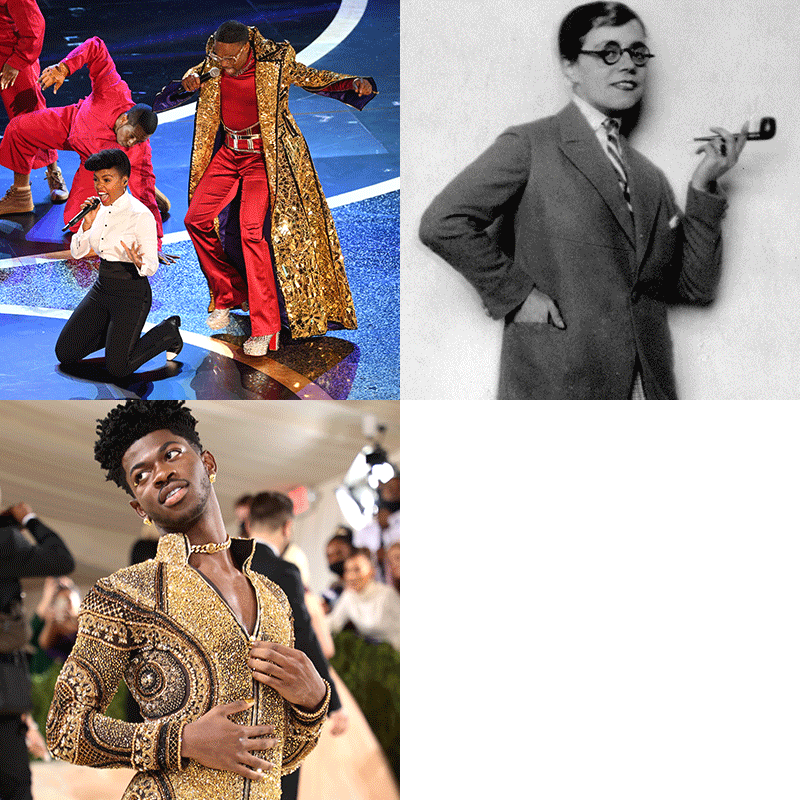

Today, it is because of the previously mentioned members of the LGBTQIA+ community and millions more that more people continually explore clothing outside of the dictation of gender binaries, particularly on some of the world’s biggest runways, red carpets, and fashion publications. It’s important to also give mention to fashion icons - queer or otherwise - who’ve championed the creation of safe spaces through their fashion choices or, at the very least, facilitated conversation that allows for these spaces to exist.
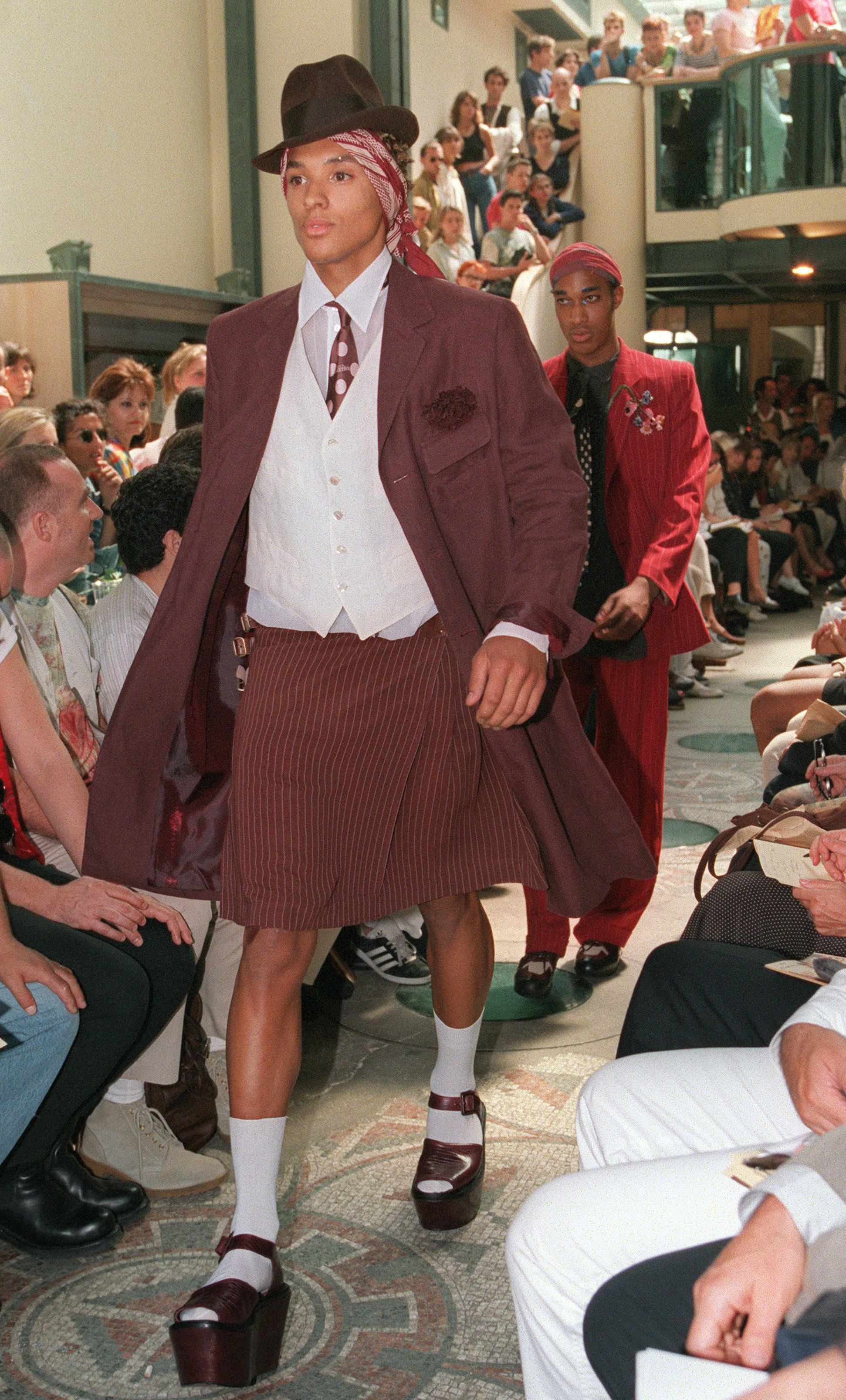
Jean-Paul Gautier was one of the first prolific designers to push for themes of gay sex and effeminate masculinity, particularly, men in skirts and dresses, into the high fashion world. It can be said that a designer like Gaultier may have served as an influence to then fashion rebel, Dennis Rodman, who as a black, heterosexual man in the 1990s, would often break gender stereotypes in his clothing.
RETRO-FASHION-GAULTIER
A model presents the collection by French designer Jean-Paul Gaultier, 02 July 1994, in Paris, during the 95 Autumn/Winter men's ready-to-wear show. French designer Jean-Paul Gaultier (L) talks with Ines de La Fressange and her husband Luigi d'Urso during a Gala reception against AIDS, 26 October 1989, in Paris. Since his first collection in 1976, Jean-Paul Gaultier has never ceased to astonish and outrage, with the famous skirt for men in 1985 for instance. Known for his feats of style inspired by the streets of Paris and London, Jean-Paul Gaultier creates for stars like the cone-shaped bustier for Madonna. Called the "enfant terrible", Jean-Paul Gaultier is a figure in the world of haute couture, following the traditional definitions of the beautiful and the ugly, the elegant and the vulgar. AFP/ PIERRE VERDY / STAFF (Photo by PIERRE VERDY / AFP) (Photo by PIERRE VERDY/AFP via Getty Images)
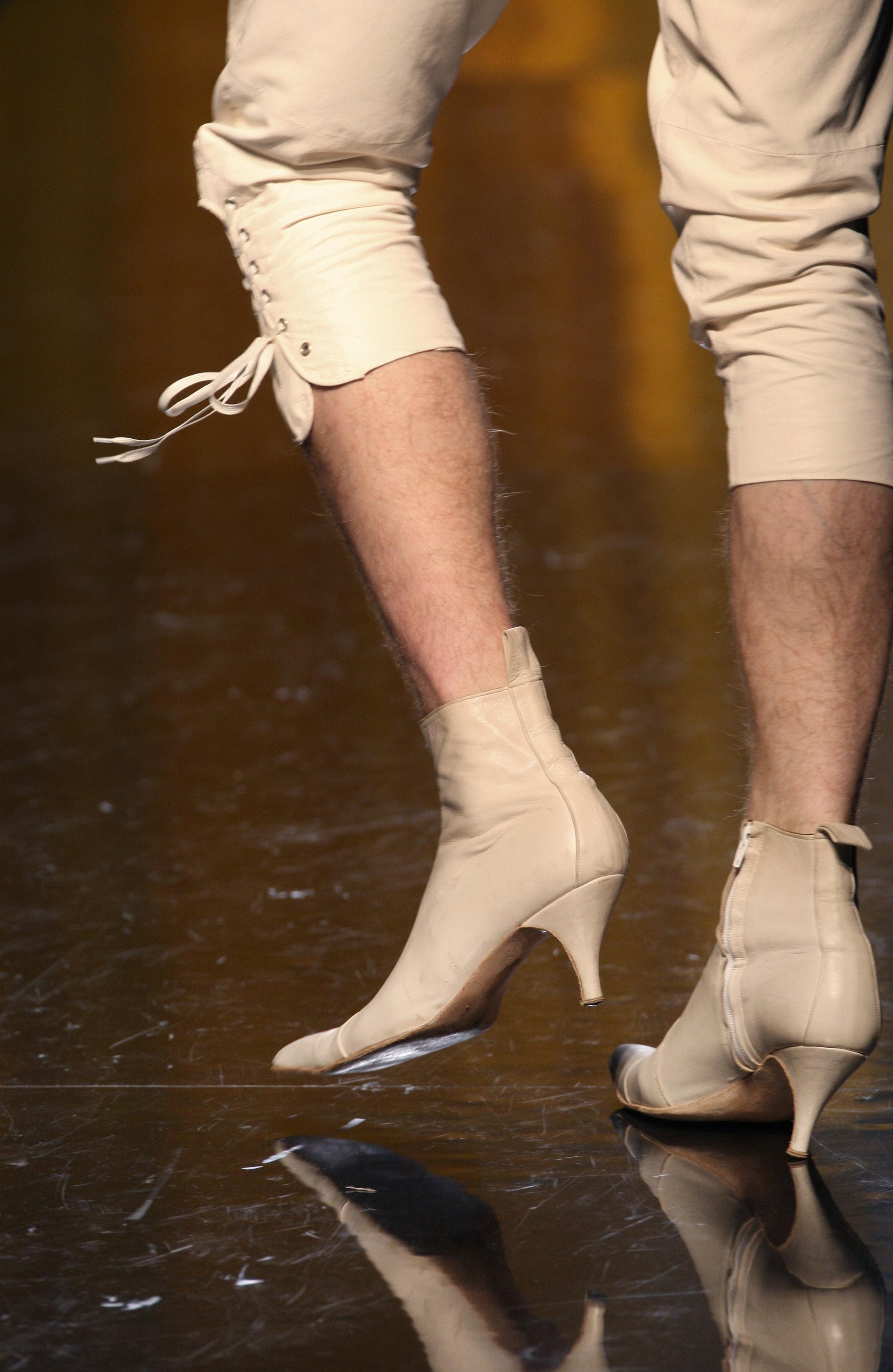
As one of today’s most commonly referenced fashion archetypes, Rodman would merge styles from the 1970s and ‘80s club kids, punk rock fashion, fetishwear, and womenswear, to name a few, much to the dismay of the media back then.
In the ‘90s, he was a fashion outcast, even probed and slammed by interviewers such as Oprah Winfrey and fashion tabloids alike, often having his masculinity refuted over a little bit of nail polish.
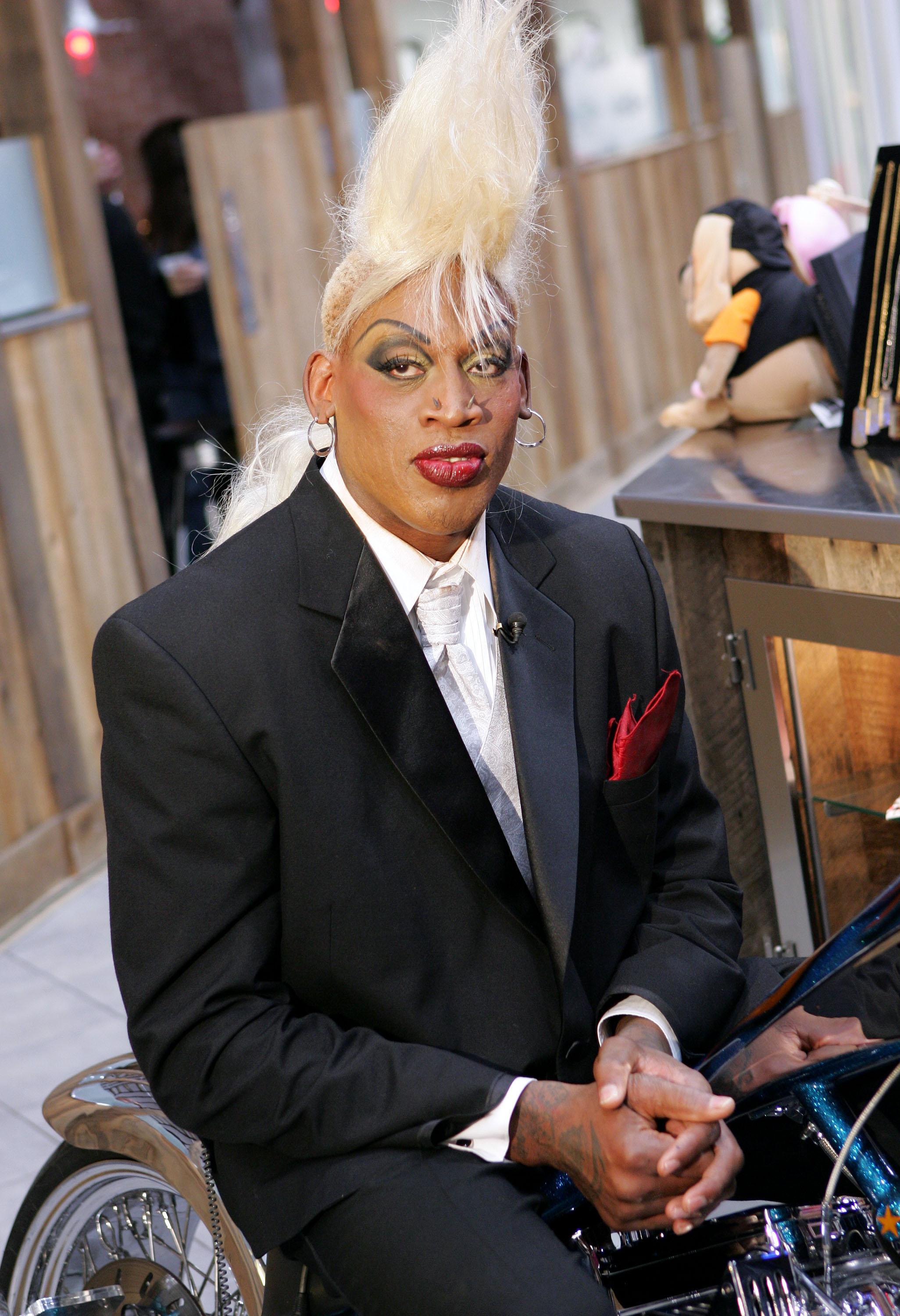
Dennis Rodman during Dennis Rodman Signs His Book "I Should Be Dead By Now" at Hollywood Choppers - December 2, 2005 at Hollywood Choppers in Hollywood, Florida, United States. (Photo by Jean Baptiste Lacroix/WireImage)
Openly gay designer, Alexander McQueen, said in an interview; “My collections have always been autobiographical [...] A lot to do with my own sexuality and coming to terms with the person I am.”
Easily one of the most memorable designers to have emerged at the turn of the millennium, McQueen further opened a floodgate of fashions that were almost theatrical in presentation, much like the London gay scene and drag culture that inspired him, but he continually told the story of the inner turmoil and affliction that came with actualising his sexuality.
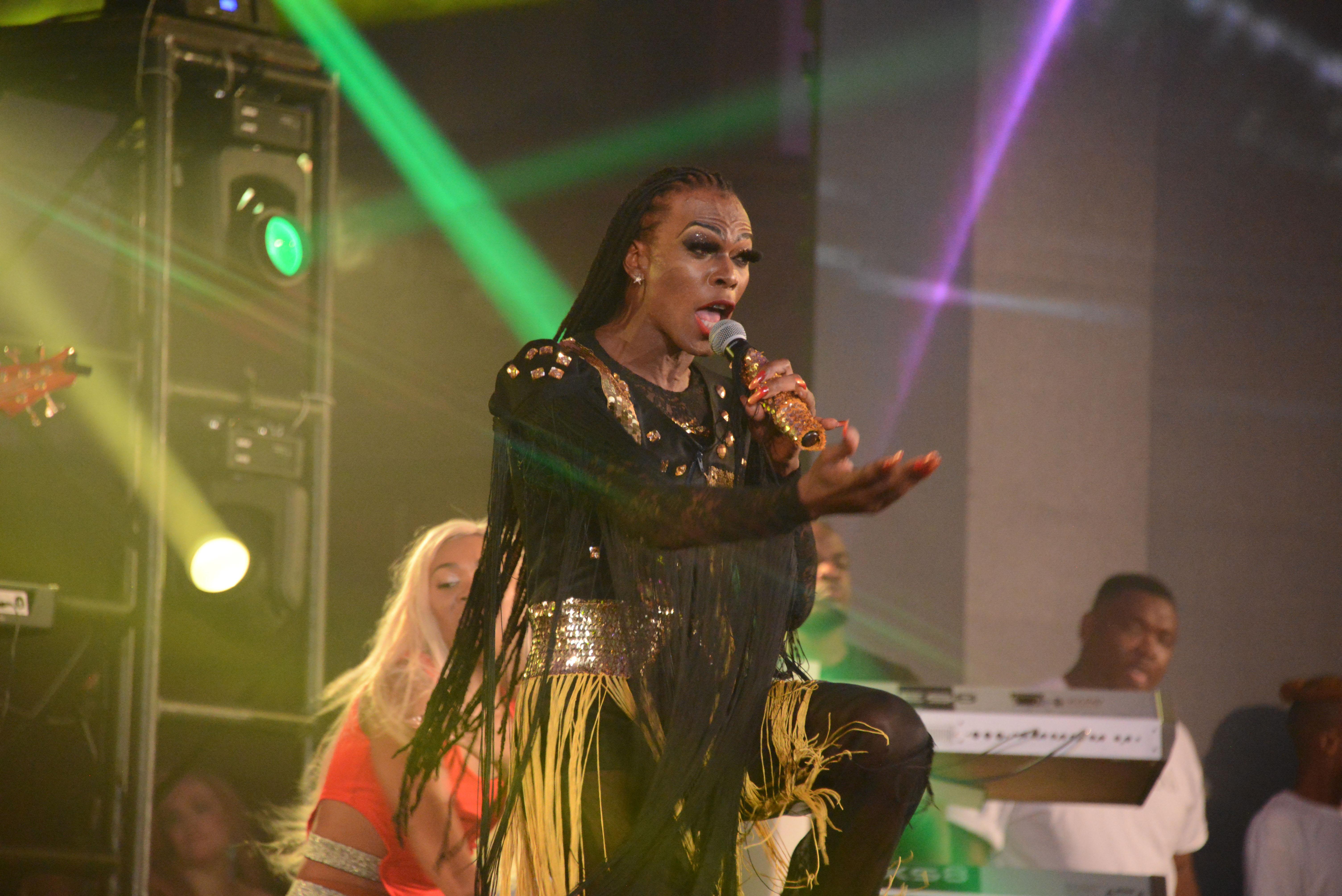
JOHANNESBURG, SOUTH AFRICA NOVEMBER 15: (SOUTH AFRICA OUT) Amstel Maboa of 3Sum during the 10th annual Feather Awards at the Johannesburg City Hall on November 15, 2018 in Johannesburg, South Africa. The annual Feather Awards, which aims to highlight LGBTI issues and challenges. (Photo by Frennie Shivambu/Gallo Images/Getty Images)
In South Africa, Koyo Bala, Amstel Diva, and Jeff Moyo were, undoubtedly the premier, most successful, gay pop group to emerge from the post-Y2K era and from South Africa’s history, ever. Gracing lifestyle television, award shows, the country’s smallest and biggest stages, even boasting cameos in some of the country’s biggest soapies, '3sum' was known for their big glasses, low-rise pants, shiny lips, and unmatched confidence.
In the pinnacle of their success, South African tabloid media failed to do justice to their impact, but one can’t deny that they’ve multiplied and immortalised in the present day South African gay scene.
Fela Gucci and Desire Marea of music duo, FAKA, have graced the DAZED 100 list of the world’s most influential people of 2019. Describing their work as “a black queer cultural movement,” the two have used their lived experience of traditional Zulu masculinities, respectively, to tell stories of queer romance and sexuality through their music, visual offerings, and fashions. Rocking a full face of makeup, a fierce mullet wig, a luxurious coat, and some Yeezys or plush boot heels are just some of the staples one should gather if attempting the Desire Marea or Fela Gucci look.
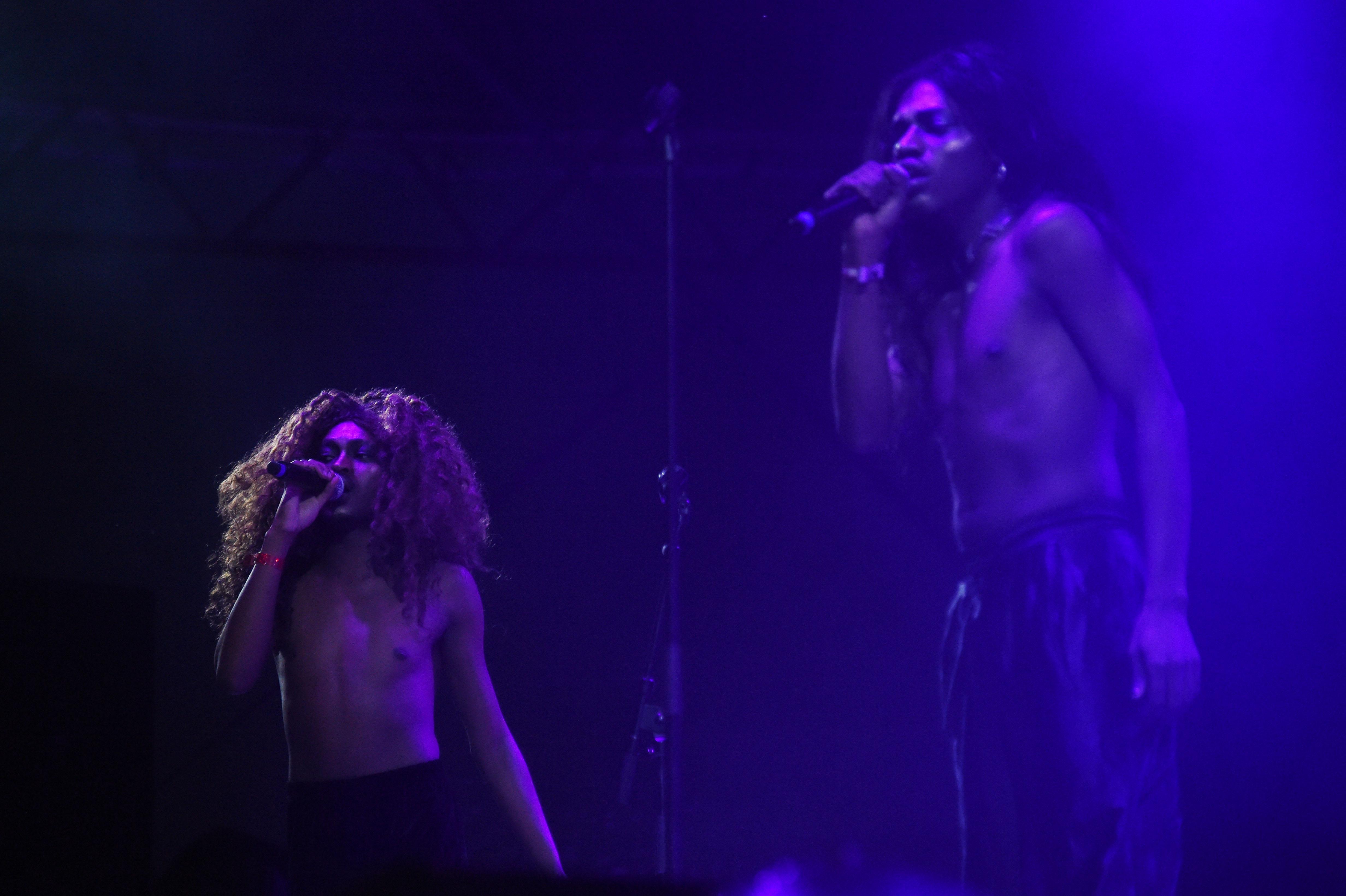
Members of South African band Faka, perform on stage during the 30th Eurockeennes rock music festival on July 6, 2018 in Belfort, eastern France. (Photo by SEBASTIEN BOZON / AFP) (Photo credit should read SEBASTIEN BOZON/AFP via Getty Images)
The year is now 2021, and as ball and drag culture progressively settles into the mainstream, rising slightly overground but still maintaining sacredness, queer fashion events such as drag shows and Vogue Nights, which have taken several South African cities by storm, continue to celebrate the lives lost and work done to protect LGBTQIA+ expression.
Encouraging attendees to respect personal space, to dress to the nines and pack all your exuberance into your clutch, these events rigorously continue the legacy of queer exploration and celebration left behind by all of the aforementioned queer histories.
As a result, more and more young South Africans grow up with a richer knowledge of queer identity as well as a widened variety of spaces to live out their allyship or personal experience of queerness. When we reflect on what has worked in the past, we better equip ourselves to refine and improve our futures.
The LGBTQIA+ community is the very backbone of fashion and although long overdue, it’s remarkable to see how they’re able to take part in fashion and self-portrayal in ways that are more bold and true to them than ever before.
And it goes without saying, when you’re not limited in how you’re expected to dress, you dress a whole lot better!