WHAT MATTERED AT NEW YORK FASHION WEEK
Prelude to a fashion revolution

Words: Daniël Geldenhuys | Photography: Getty
Things were not going well at New York Fashion Week. Calvin Klein lost interest in fashion earlier this year, firing Raf Simons and doing away with ready to wear. Alexander Wang was living his best life on his own schedule, no longer the big fashion month kick-off. Proenza Schouler had just gotten back from Paris, Altuzarra stayed there and Victoria Beckham moved home to London. Big-name wise, that left Ralph Lauren, Tommy Hilfiger, Michael Kors (all very refined, if somewhat dry) and the light at the end of the tunnel, Marc Jacobs. This added up to a fashion week teetering on the ledge of irrelevance. No need to despair though: this is a story of hope.
It began with Tom Ford, the new chairman of the Council of Fashion Designers of America. He (rightly) took it upon himself to shake things up at NYFW. If something’s not working, there’s room for experimentation and growth and that’s clearly what was encouraged among the designers showing this season. A new guard of forward thinkers showed in New York and set the tone for fashion’s future. See Matthew Adams Dolan, Brock Collection, Jahnkoy, Eckhaus Latta and Gypsy Sport.
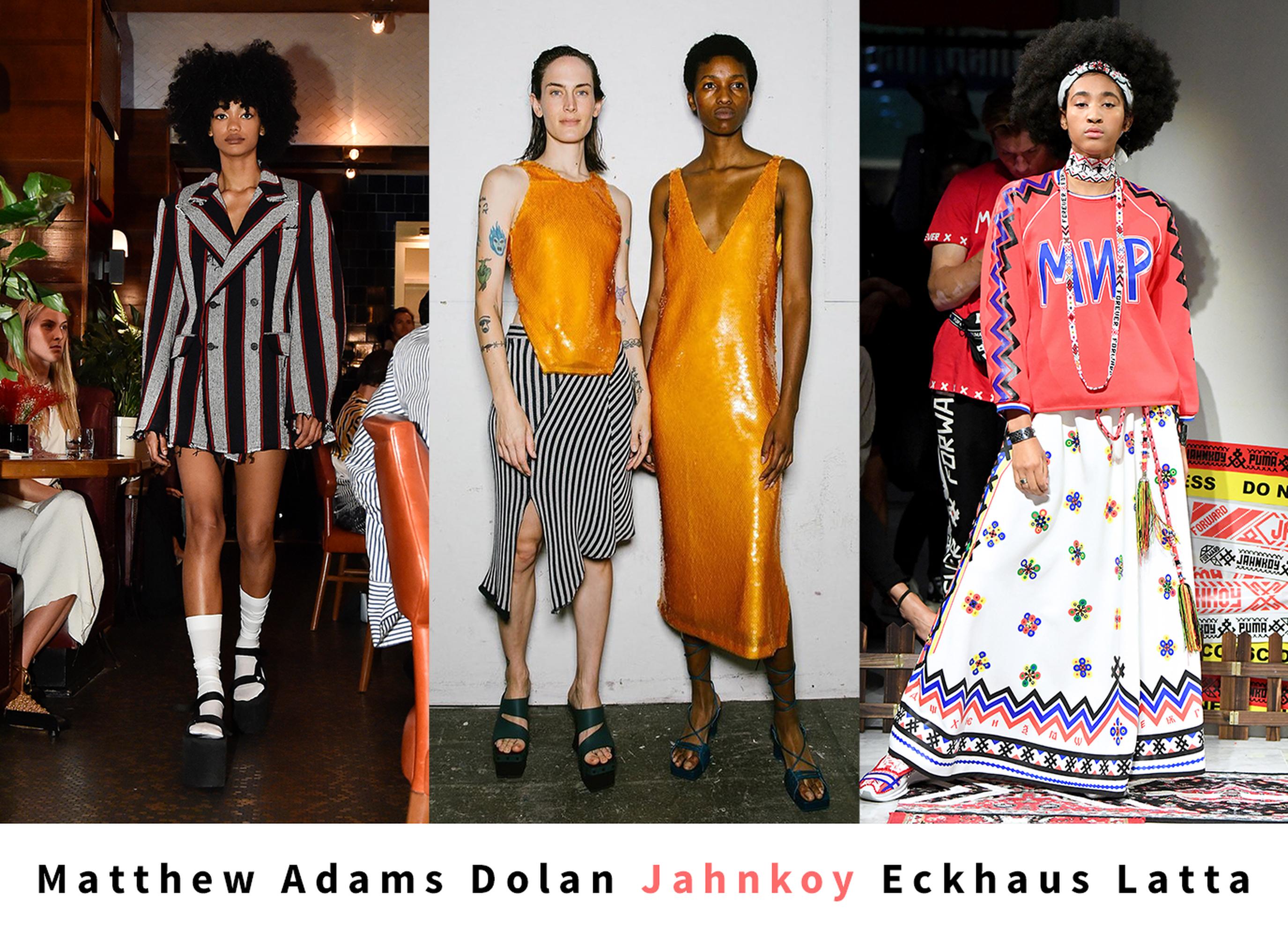
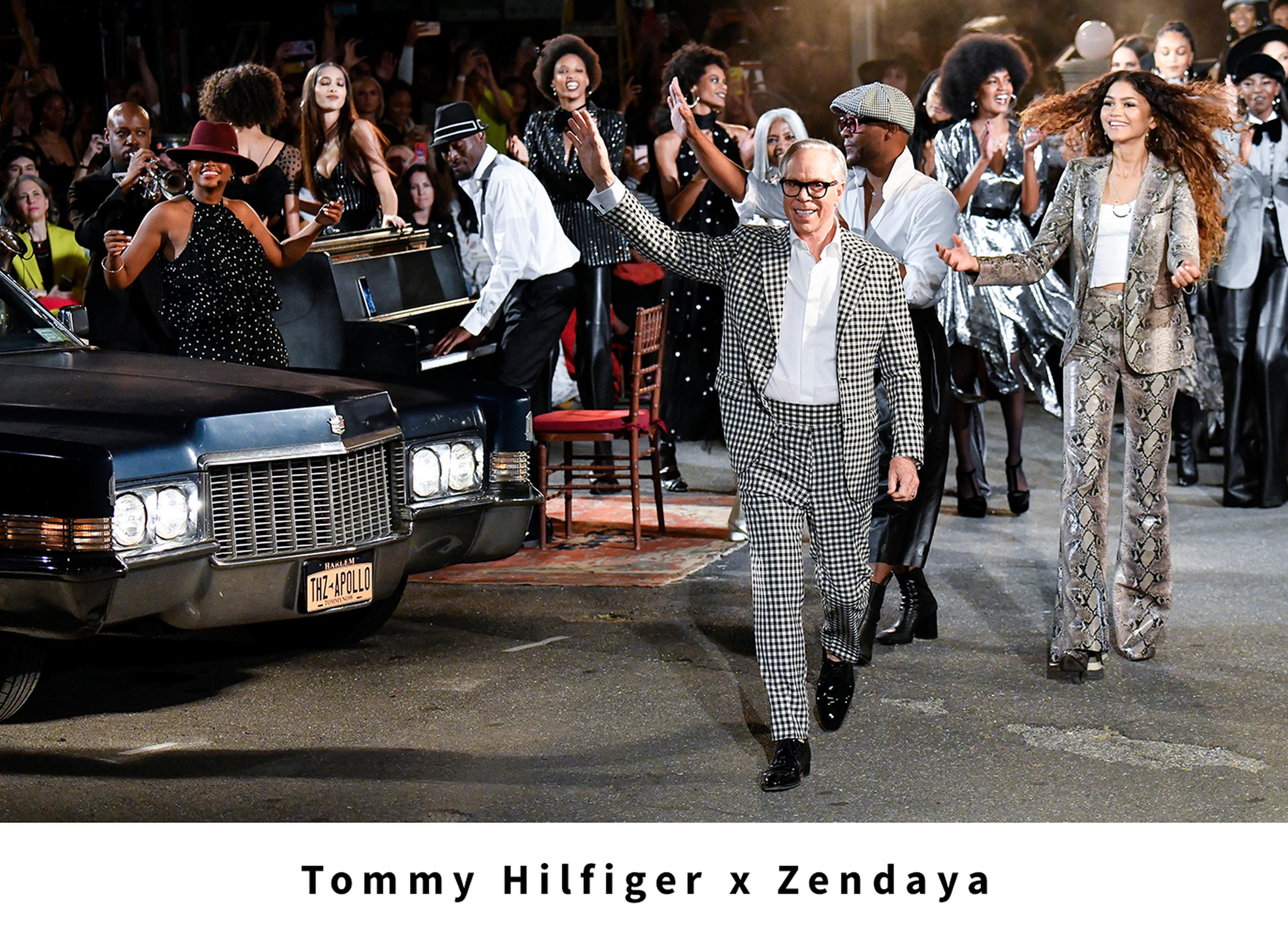
The season felt like a prelude to or exploration of what NYFW could become. Shows stood out, not so much for groundbreaking clothes, but for experiential presentations. Tom Ford traded the runway for a subway platform. Zendaya and Tommy Hilfiger’s sophomore collection showed at the Apollo Theater. Ralph Lauren followed his show in a ballroom on Wall Street with a party featuring a stunning Janelle Monáe climbing across tables, while belting Jazz Age classics.
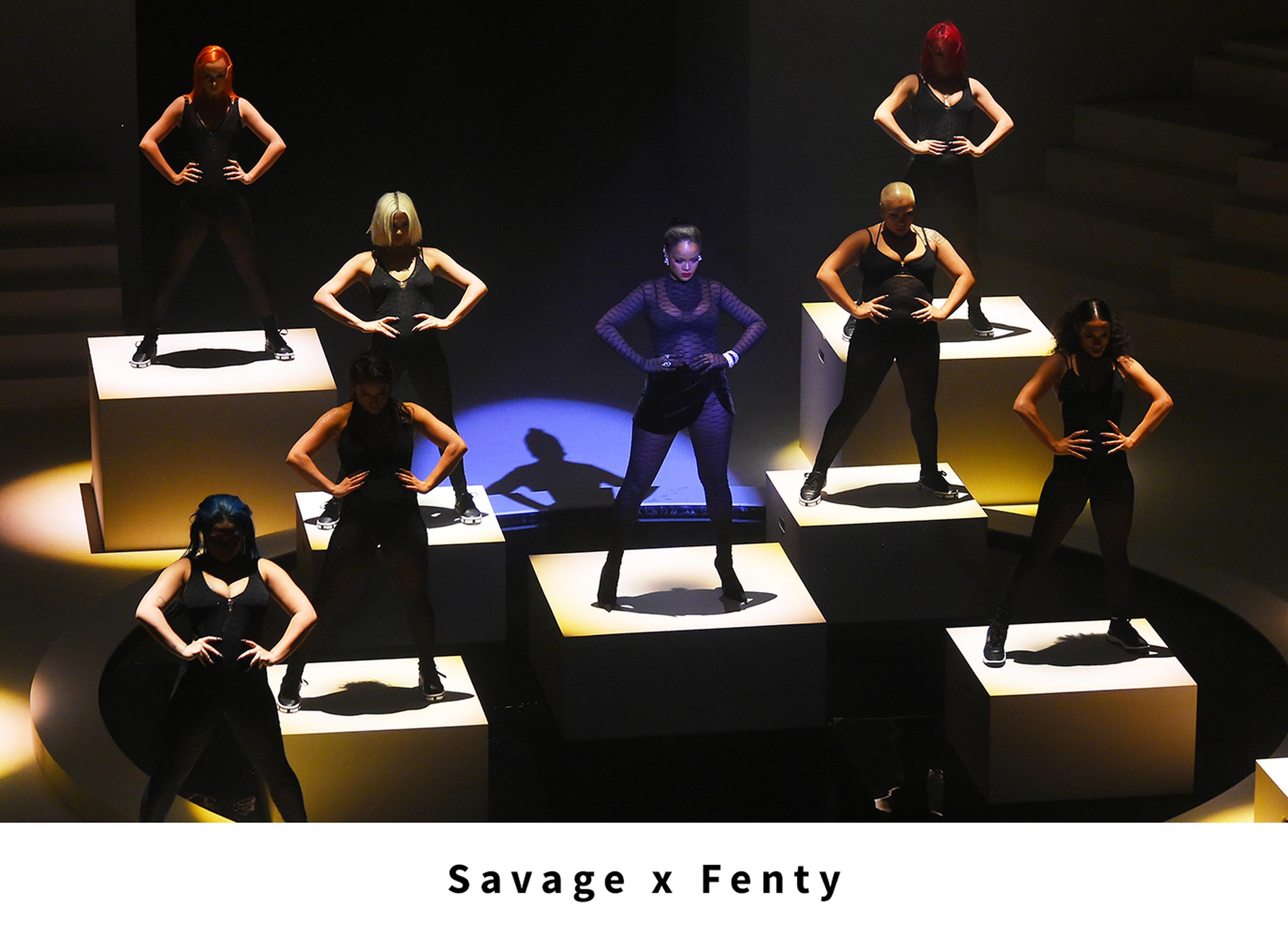
The Savage x Fenty concert (“show” just doesn’t do this one justice) was a no-holds-barred extravaganza featuring performances by Migos, DJ Khaled and A$AP Ferg, killer dance moves by Rihanna and Laverne Cox and an authentically diverse squad of models thriving in Rihanna’s latest lingerie. Imagery around the show has been tightly controlled, since the event will be streamed in all its glory on Amazon Prime Video from 20 September. Savage x Fenty’s influence on the lingerie industry, parallel to the demise of Victoria’s Secret and the increasing visibility of curves on the runway (especially in New York), feels like a beam of light through the smog that is current news headlines.
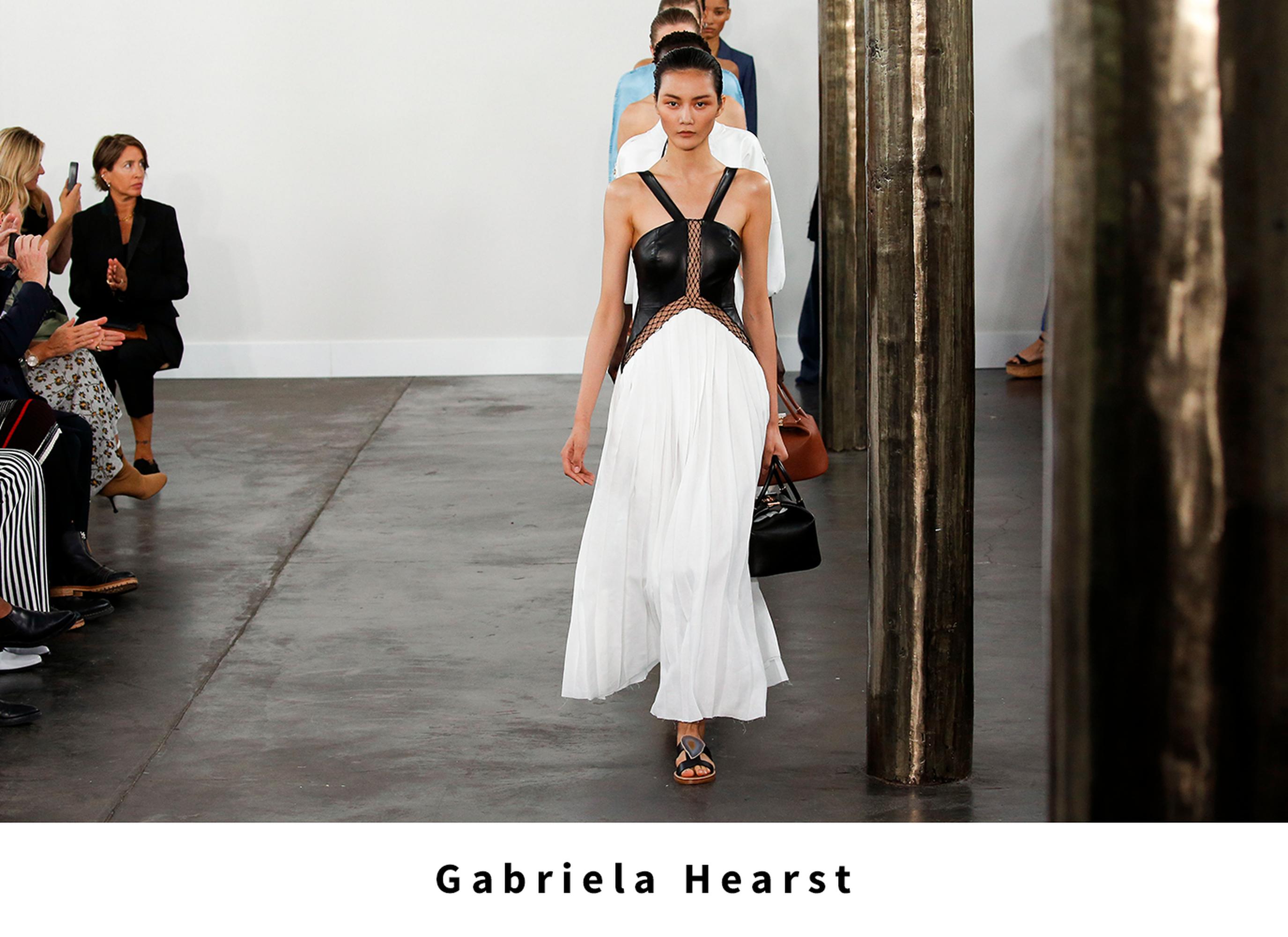
Shout out to Gabriela Hearst for being one step ahead of the slow-growing concern with the environmental impact of fashion shows. Her show was carbon neutral: models’ hair was done sans electricity and advisory board EcoAct was enlisted to calculate the show’s emissions so that sufficient offset measures could be implemented. It was an example others would do well to follow sooner rather than later.
The most successful show of the week was Pyer Moss. Designer Kerby Jean-Raymond set the standard for fashion shows moving forward by presenting a collection worthy of the hype that makes an impact on social media – a brilliant story that connected with the soul.
The show, titled Sister, was the final chapter in a trilogy of collections looking to reverse the erasure of African American narratives in pop culture. The woman in question was Sister Rosetta Tharpe, a queer black gospel artist from the 1940s whose work birthed the rock and roll genre associated with Elvis Presley. The show venue was the Kings Theatre in Brooklyn, which seats 3 000 people. Outside, fans (500 of who were gifted tickets to the show) and celebrities stretched around the block. Once inside, guests were greeted by the 60 plus voices of Jean-Raymond’s Tabernacle Drip Choir Drenched in the Blood. The show opened with a sermon by writer Casey Gerald – boldly political with a positive overtone. Then, the choir provided a medley soundtrack that encompassed Little Ghetto Boy by Donny Hathaway and Money by Cardi B.
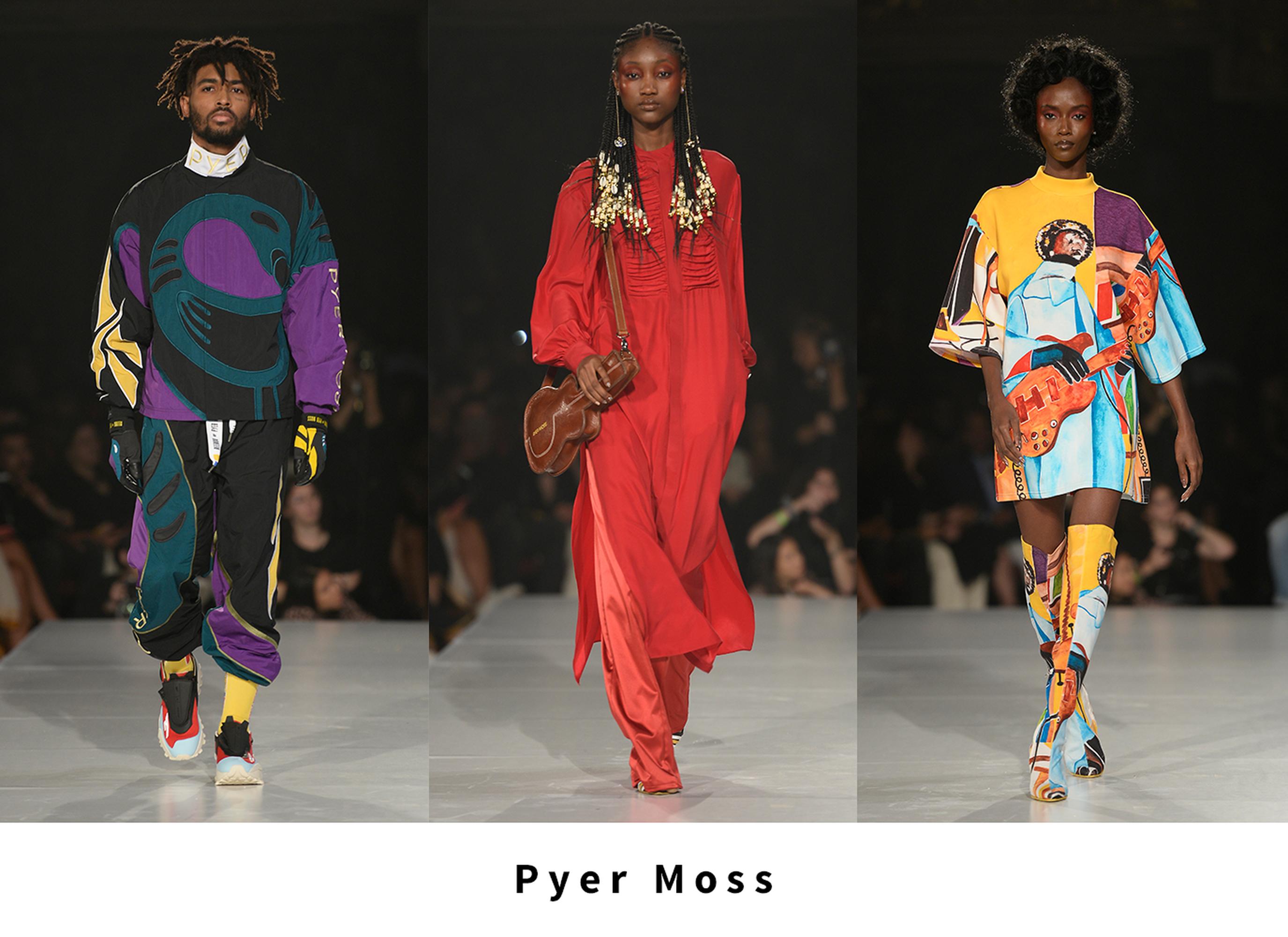
The first half of the collection was the tribute to Tharpe, at times very literal in its music references and with a distinct vintage vibe made modern by the introduction of casual elects like denim, crop tops and easy-wearing jackets. The pictorial prints were by artist Richard Phillips, who was recently exonerated after spending 45 years in prison for a crime he didn’t commit. The second half of the collection was a collaboration with Reebok, where Jean-Raymond is artistic director: incredible sneakers grounded tracksuits, puffers and other sporty separates that will no doubt sell brilliantly. Ultimately, the show’s success can be accredited to the way it went beyond the clothes and even its fashion week context, functioning as a cultural event that simultaneously educated and inspired.


